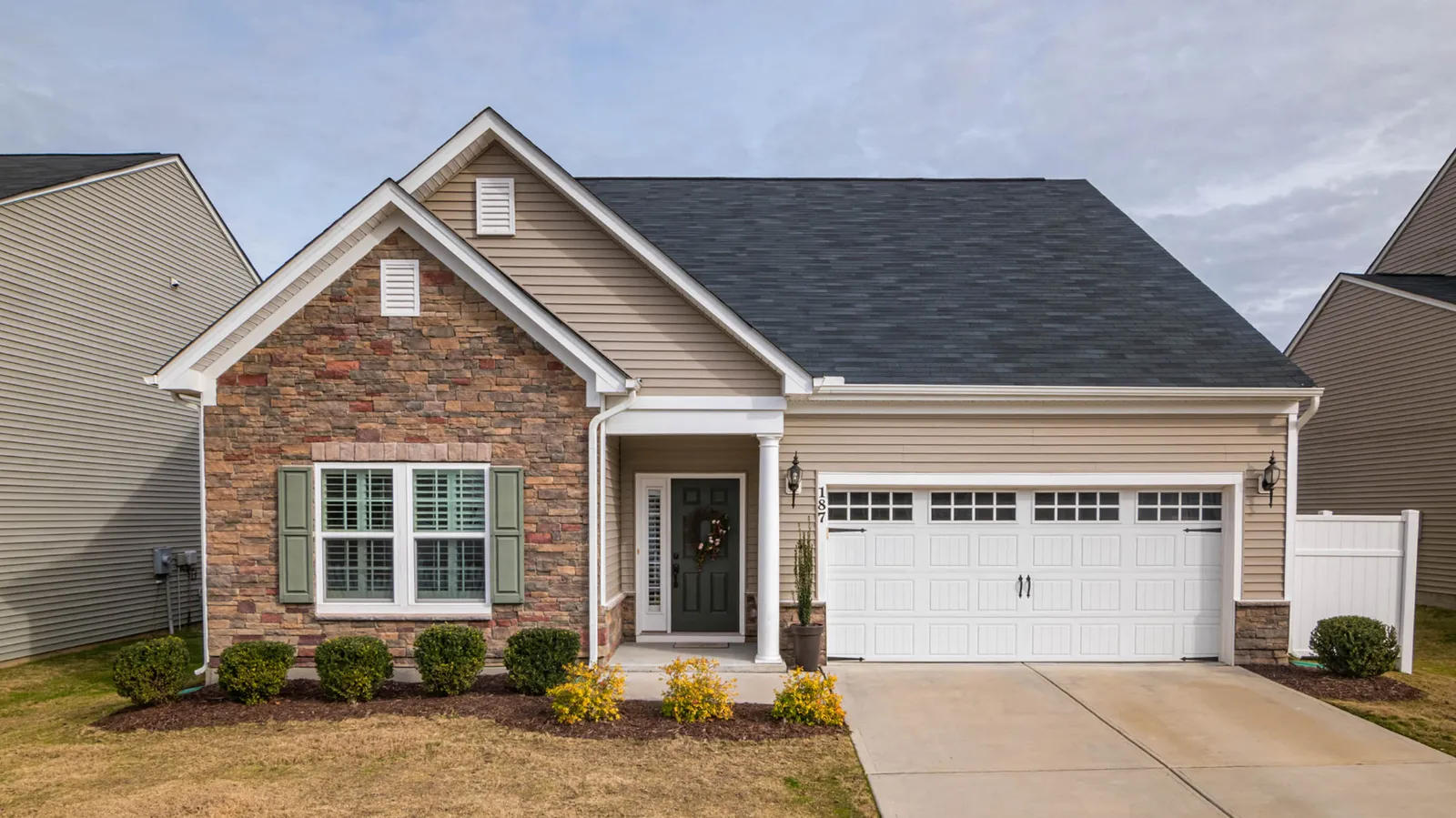
Storm Damage Roof in Springdale, AR
Springdale sits in an active hail county, so a roof here gets worked most seasons. A local roofer dates the damage to the storm and puts every slope on file.
- Insurance steps laid out in plain English
- No pressure to commit on the spot
- Workmanship coverage stated in writing
How Washington County hail works a roof
A storm damage roof in Springdale, AR usually begins as hidden hail. Washington County runs a busy hail season, not an occasional one: the NOAA record holds twenty hail days across four years, stones up to two inches, and gusts near 86 miles an hour. Most of that damage never shows from the driveway.
A local roofer climbs it, dates the hail to a storm the record can back, and puts every slope on file before a word is said about a claim. Whether to open a roof insurance claim is your call, and a full replacement is a separate one.
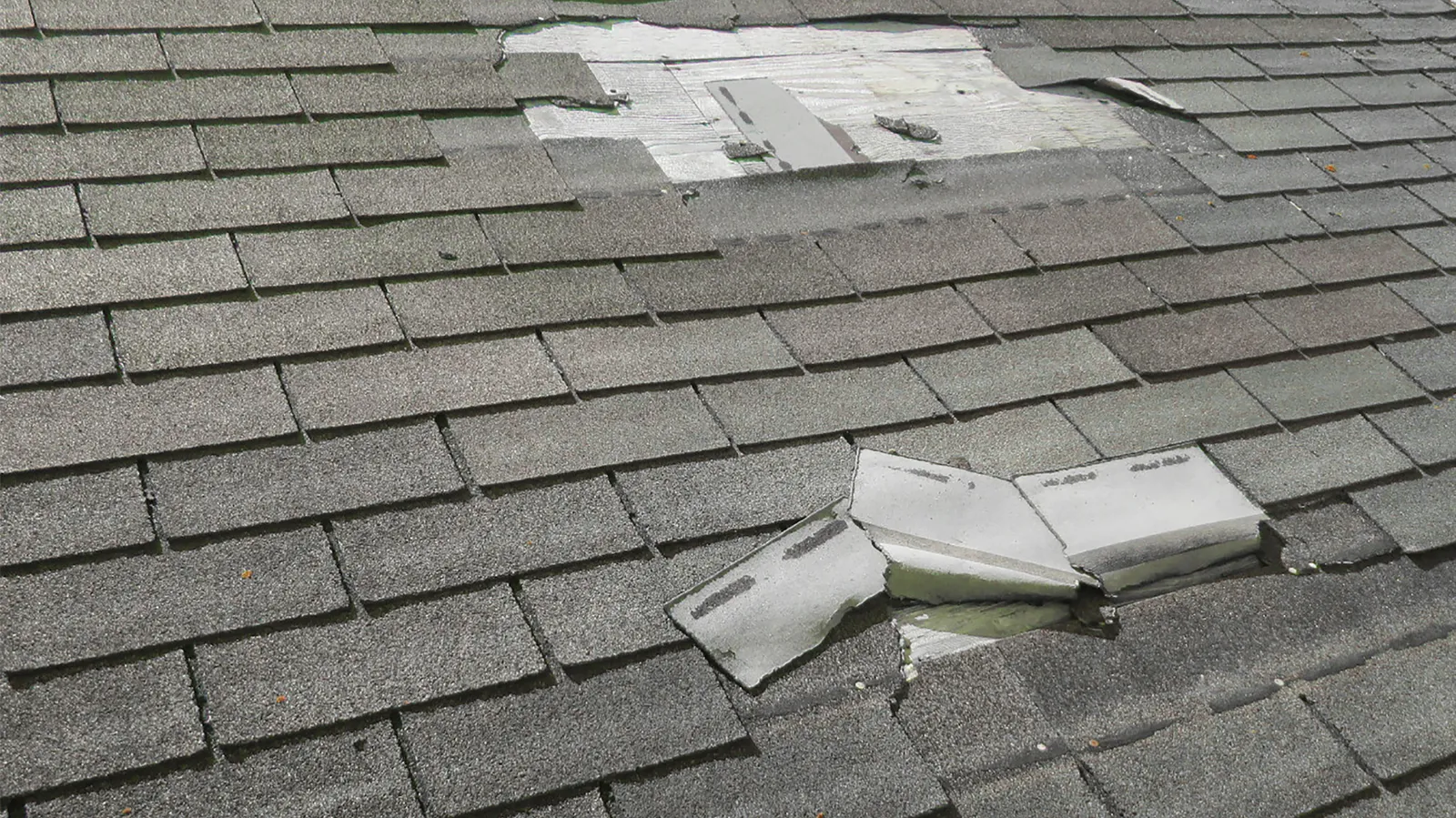
What a carrier calls hail, and what it calls wear
One question decides most of it: did a datable Washington County storm do this, or did the roof simply age into it? The two columns below sort the findings a roofer sees most, so you can read your own roof before anyone opens a file.
Damage dated to a real storm
A sudden Washington County hail or wind event on a date the record can back is what a roof policy is built to answer for.
- Bruised mats and cracked shingles. Soft, darkened dents where a stone stripped the granules, or a split through the mat that lets water reach the decking.
- Wind-lifted and creased tabs. Shingles peeled, creased, or torn loose in an 80-mile-an-hour Washington County gust, the openings a later rain quietly finds.
- Struck vents, boots, and flashing. Caved vent hoods, cracked pipe boots, and flashing knocked loose by hail, small hits that leak long before they look serious.
- Dented metal up on the roof. Dinged valleys, drip edge, and gutter aprons that mark before the shingles do, often the first proof a storm landed.
Wear a carrier calls your own
Age, granule loss, and neglect stay the homeowner's to carry, and that is where most Springdale denials land.
- A roof simply worn out. An older Springdale roof can reach the end of its service life on its own, and that is a replacement to buy, not a claim to file.
- Granule loss from age. A roof shedding grit into the gutters over many summers is wearing out slowly, not answering for a single storm.
- A slow leak nobody dated. Water that crept in across seasons, never tied to one storm you could mark on a calendar, reads as maintenance to a carrier.
- A past install done cheap. A prior roofer's thin nailing or skipped flashing is theirs to make right, not damage your policy owes.
Washington County storms on file, season after season
Springdale sits in Washington County, where hail draws real numbers most years. The NOAA record carries twenty hail days and fifty-two reports countywide, a top gust near 86 miles an hour, and stones up to two inches: golf-ball hail at the Springdale airport on May 18, 2025, and an 86-mile-an-hour gust near Tontitown that same April. A date that lines up with one of these is what makes a claim hard to wave off as wear. Each row below comes directly from the NOAA and NCEI Storm Events database for Washington County, recorded there rather than by this site.
Source: NOAA / NCEI Storm Events Database, Washington County 2023–2026, on the record. The list above carries the most recent entries from the log. Updated July 2026. Hail damage rarely shows from the driveway: a stone can bruise the mat and strip granules without punching a hole, so it sits unseen until a dated inspection puts it on the record.
Four things that land in the roof file
A documented inspection closes with paper, not a verbal all-clear, so nothing about the roof rests on memory. Below are the four pieces a local roofer hands over once the walk is done, each one taken off your own roof at your own appointment.



The file pictured here is only an illustration, a sample of how a finished report reads. Yours is built from your own roof, photographed at your appointment and kept in your name.
Hail tells you can read from the yard
None of this needs a ladder. A slow lap around the house and a look in the gutters will turn up what a hailstorm leaves, worth the few minutes even when the roof looks clean from the curb.
- Dents on gutter tops, downspouts, and vent caps after a hail day, since soft metal marks before a shingle ever shows one
- Granules washed into the gutters or heaped where a downspout drains, a sign a stone stripped the mat
- Bare, shiny, or cracked spots on the shingles where a stone knocked the surface off or split a tab
- Fresh dings and bright spots on the drip edge, the valleys, and any roof-mounted metal
- Circles of bruised, spongy shingle you can feel underfoot, soft where a stone landed
- A ceiling stain or a damp attic rafter a week or two after a storm, water finding a crack the hail opened
Little of this reads for certain from the ground, which is why a dated inspection pays for itself after a hard hail day, and a small hit caught early usually stays a quick repair instead of the tear-off a missed one grows into. If water is already coming through: document it with photos, then cover the opening; policies expect reasonable temporary protection and reimburse the cost.
Springdale storm damage and hail questions
The questions that come up once a Washington County storm passes and a roof needs a clear answer.
Q1How much hail does Washington County really get?
Q2Hail hit a few miles off, but my roof looks fine. Worth a look?
Q3My roof is only a few years old. Can hail still hurt it?
Q4Should I wait to see if it leaks before calling?
Q5What makes a documented inspection different from a quick look?
Q6Does documenting the roof mean I have to file a claim?
Get the hail dated before the trail cools
A Washington County hailstorm leaves most of its damage where the driveway cannot see it. Send Springdale Apex Roofing your address, and a local roofer walks every slope, ties the damage to a storm on the record, and hands you a straight read before any claim talk.