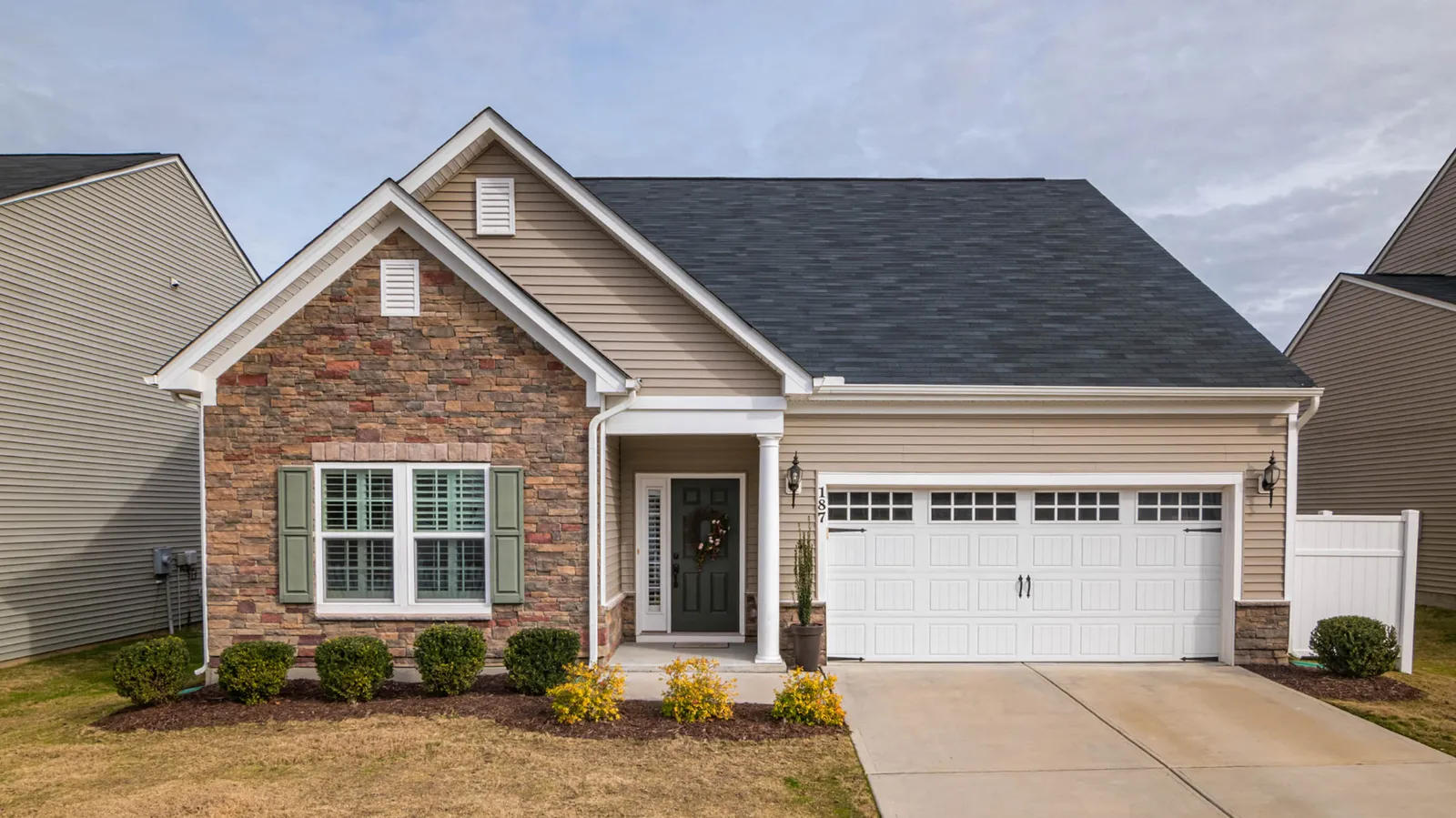
Roofing in Shiloh Historic District, Springdale AR
The Shiloh Historic District holds Springdale's oldest roofs, frame homes on the 1830s downtown grid. On an old roof over original decking, active hail leaves the least room for guessing.
- Insurance steps laid out in plain English
- No pressure to commit on the spot
- Workmanship coverage stated in writing
Springdale's oldest roofs, read before the hail.
The Shiloh Historic District is where Springdale began, settled along Spring Brook in the 1830s and centered on the 1870 Shiloh Church, the oldest surviving building in town and the heart of a National Register district. It holds the city's oldest housing, late-1800s and early-1900s frame homes on the original downtown grid, many wearing roofs at or past the end of their years over original decking, tired flashing, and steep early pitches. Roofing in the Shiloh Historic District usually starts with the plain truth that a covering this old has little margin left.
On an aging roof, covering a tired course with a fresh one only conceals what most needs attention. A roofer on a home here strips the covering to the wood, reads the decking, and rebuilds the flashing an older house is short on, and photographs each slope before a new shingle goes down, so the new roof cost holds once the old roof is off. Active hail makes that record matter more, since a dated file is the only honest way to tell a real Washington County hit from the plain age already on an old roof, which is what a roof claim turns on.
These notes describe the older housing common across the Shiloh Historic District in general. Roof ages, past re-roofs, and pitches vary house to house, and some homes have been re-roofed more recently than others.
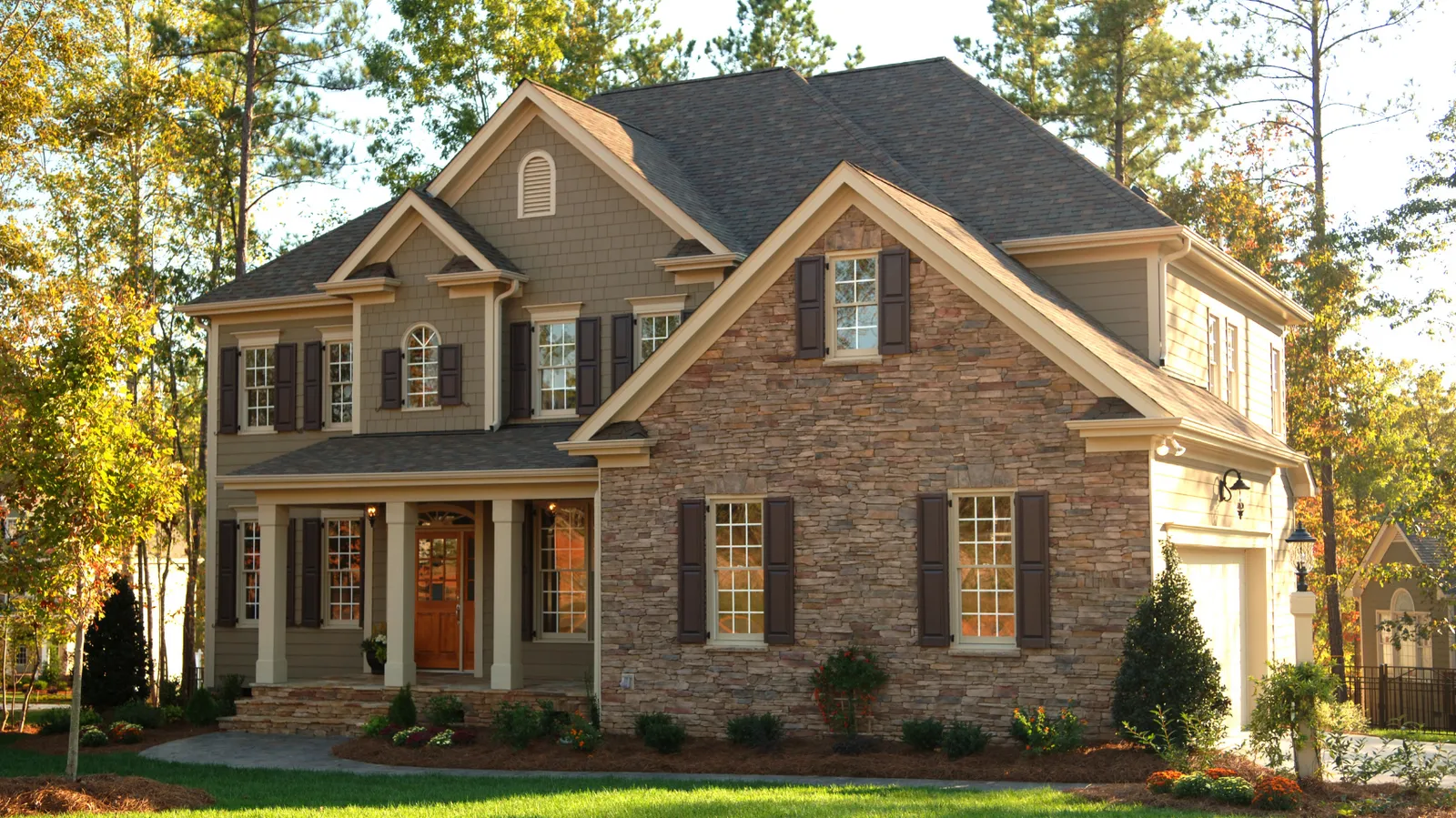
Where age meets hail on an old roof.
Age carries the check past the shingles to the wood, the flashing, and the paper trail. Here is what a roofer checks first on an older Shiloh home.
- 01Decking aged underneath
- Decades of Arkansas heat and storms can leave old plank or plywood soft or split, so a roofer sounds the deck slope by slope before pricing the job.
- 02Flashing past its years
- An old downtown home usually runs tired flashing at the valleys and chimney, the first place a leak starts, so a roofer rebuilds it rather than shingling over it again.
- 03Hail dated against age
- On a roof with little margin left, a roofer photographs each slope so a real hail hit is told apart from ordinary wear and put on file.
Wood and flashing are the real question here, and a documented climb answers it where a curbside glance cannot. A close read also separates a genuine storm hit from the ordinary age of an old-core roof.
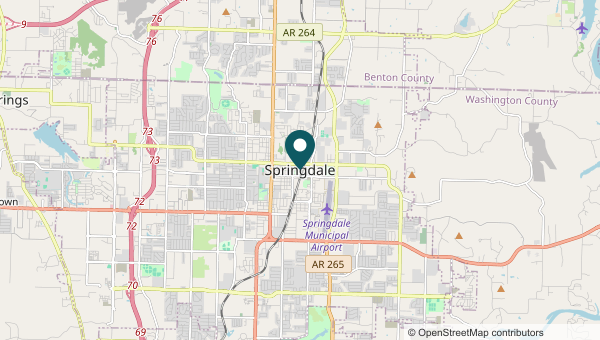
Shiloh, the historic core of downtown Springdale.
The Shiloh Historic District runs along the original downtown grid and the blocks around Spring Brook and the Shiloh Church, inside ZIP 72764. Local roofers cover the neighbors too, from the historic core out to the newer east-side streets of Spring Creek Estates.
- Anchor The 1870 Shiloh Church
- Along Spring Brook and the downtown grid
- ZIP 72764
Washington County runs a busy hail record, the real the county hail that turns up most springs. On the oldest roofs, with the least margin left, one hard hit like that is often the last straw. A roofer walks the old core after a storm and dates each slope with photos, so a genuine hit is on file before an insurer calls it age. That record is what a claim on an old roof stands or falls on.
The same documented standard, block by block in Shiloh.
From a documented look at a tired old-core roof to a full tear-off with new flashing and an honest deck read, every home in Shiloh is read against one written standard. The roofing materials guide compares what stands up when the time for a new roof arrives.
Roofing in Shiloh Historic District, questions answered.
What homeowners around the historic downtown ask before they book a look.
Q1My Shiloh home is one of the oldest in Springdale. Does that mean a full tear-off?
Q2The hail here can be real. What does a storm do to a roof this old?
Q3Can I just have a new roof laid over the old one to save money?
Q4How do I know a roofer working my old house is legit in Arkansas?
Q5Do the roofers actually cover the Shiloh Historic District?
See the damage while it is still a repair.
A roof in the old core can read calm from the sidewalk and still sit one storm shy of a ceiling stain. Send Springdale Apex Roofing your address, and a roofer walks it, checks the wood and flashing, and hands back one plain read in writing.