
Roof Leak Repair in Springdale, AR
Water rarely enters where it drips inside. A roofer traces it back up the roof to the true opening, seals it there, and dates the photo.
- Insurance steps laid out in plain English
- No pressure to commit on the spot
- Workmanship coverage stated in writing
Roof leak repair that starts at the source
Roof leak repair in Springdale, AR turns on one fact about water: it enters at one point and travels the deck before it drips, so the stain on the ceiling is almost never under the real hole.
A roofer follows the water uphill to where it actually gets in, a tired flashing joint, a split boot, or a hail-opened shingle, seals it at that point, and dates the photo for the file. Caught early, most stay one targeted roof repair rather than a full re-roof.
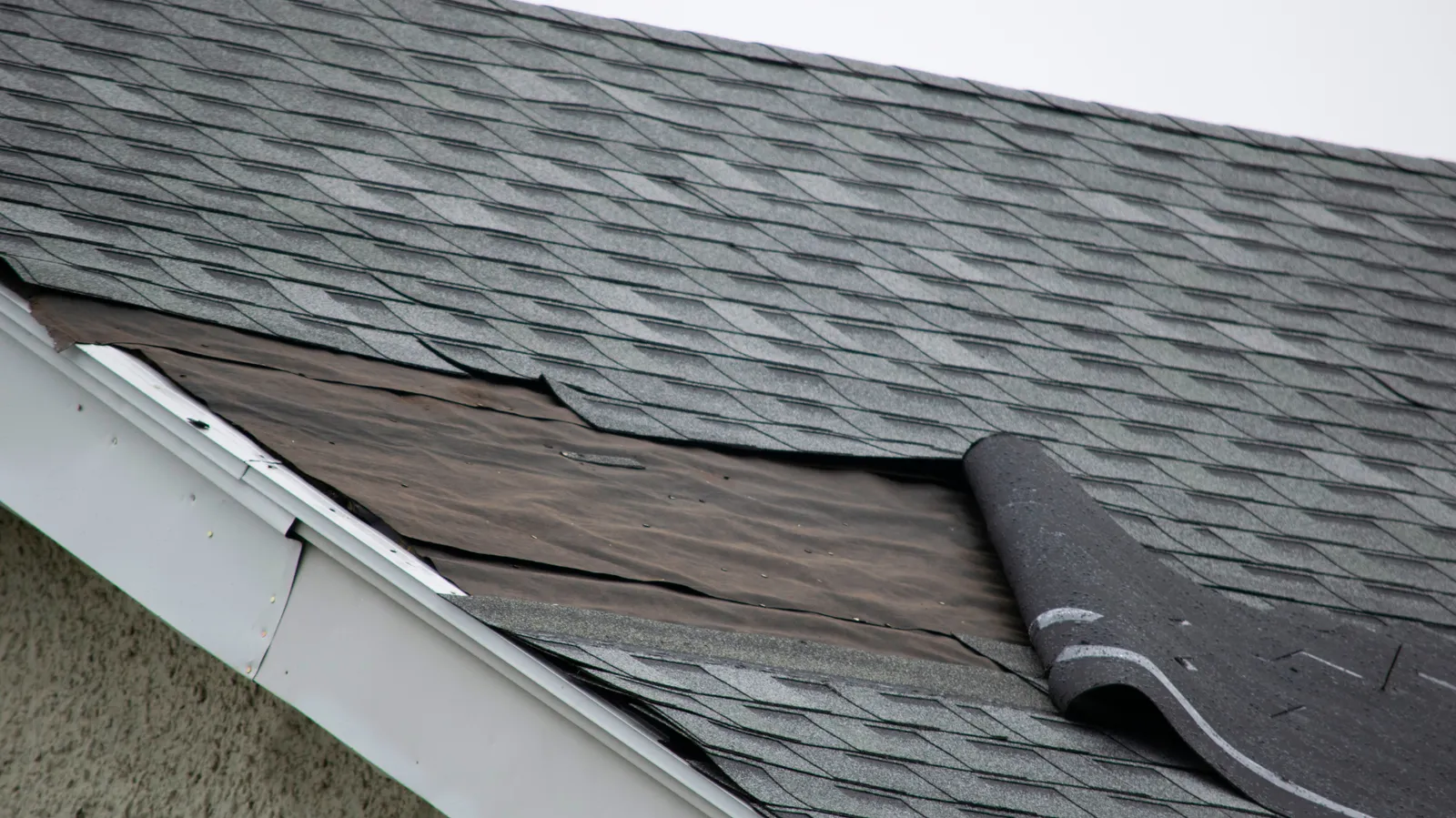
Where a Springdale roof leak really starts
The first places a roofer checks when water shows up inside.
- 01Flashing at a wall, chimney, or valley
- The metal tying the roof into a sidewall, a chimney, or a valley is the first suspect, because these joints give out long before the open shingles do. Water finds the smallest gap there, runs under the field, and surfaces on the ceiling well downhill, so a roofer reseats or replaces the metal rather than caulking the gap.
- 02A cracked pipe-boot collar
- The rubber collar on a plumbing stack goes brittle with age and splits, then sends water straight down the pipe into the ceiling while the shingles beside it still look almost new. A roofer checks every boot early, since a split collar gives nothing away from the ground.
- 03Hail-opened shingles up the slope
- Washington County hail can crack a shingle high on the slope, and water enters that break and travels the deck before it drips far below. A roofer marks the strike, dates it to the storm, and photographs it for the record.
- 04A nail pop or a lifted seam
- A nail that has backed out or a seam lifted by a hard Arkansas gust leaves a pinhole a roofer has to hunt for, because water threads through it and runs the deck a long way before it shows. Finding that entry, not the wet spot, is the point of tracing the leak.
Cannot place where yours begins? A dated inspection follows the water to the real entry and logs it with photos, so what you pay to seal is a spot on record, not a guess.
Early signs a leak has started
The first hints worth acting on while a seal is cheap.
- A brown ring on a ceiling a day or two after a hard rain
- A damp or musty smell gathering in the attic near the eaves
- Water staining high on an interior wall below the roofline
- A pipe-vent collar you can see is split or curled from the ground
- Peeling paint or a soft spot on a ceiling below a roof valley
Acting on any of these early is a fraction of the cost of a soaked deck, ruined insulation, and a ceiling to replace. If water is actively coming through: document it with photos, then cover the opening; policies expect reasonable temporary protection and reimburse the cost. The materials guide covers the underlayment and flashing under your shingles that are meant to keep water out in the first place.
What a traced and sealed leak costs
A leak seal is priced off what a roofer finds, not the footprint of the roof. Closing one split boot is a short bill, while re-flashing a chimney or rebuilding a valley the water came through carries real labor and material.
A roofer prices it only after the source is traced and photographed, so the number ties to a cause you can see.
Where water has softened a deck board, that board goes on the same estimate, the plain reason to trace a leak young. The cost guide sets out replacement ranges if the roof is spent.
See roof replacement ranges- The bill tracks the source a roofer traces, not the roof's size
- A resealed boot is the low end, while re-flashing or a rebuilt valley runs higher
- Water that softened a deck board adds a board-replacement line
- A number comes only after the true entry is traced and photographed
Sealing the leak, and keeping the proof
Sealing the true source stops the water, but on a Springdale roof the second half of the job is the record. A roofer photographs the opening and the finished seal and puts both, dated, on the roof's file.
The dated file matters because if the same slope opens again or a hailstorm turns it into a claim, the photos are already in hand. A roofer leaves you holding proof, not just a dry ceiling.
- 01The source, sealed and shot today
- A roofer closes the actual entry now, the flashing, the boot, or the hail-opened shingle, and shoots the before and after, so the water stops and you can see what was done.
- 02The file, so a repeat is covered
- A roofer dates the photos to the roof's record, so a leak that returns or a storm that becomes a claim starts with the documentation already built, not reconstructed after the fact.
Not sure if yours is one sealed joint or a slope starting to give? A roofer puts that read in writing, with the photos, and the storm-damage guide covers documenting a hail-driven leak before the trail goes cold.
The leak questions Springdale owners ask
Clear answers when a ceiling starts to stain.
Q1There is a stain on the ceiling but the roof looks fine. Why?
Q2How do you find where the water actually gets in?
Q3The leak started after a hailstorm. Could it be a claim?
Q4Can you just seal it, or does the whole roof need work?
Q5The shingles look almost new. How can it be leaking?
Q6How soon can a leak get looked at after I reach out?
Trace the leak to its source
Send Springdale Apex Roofing what you are seeing inside, and a local roofer follows the water back to the true opening, seals it there, and hands you the dated photo. You get one fair figure in writing, whether it takes a targeted seal or a larger repair.