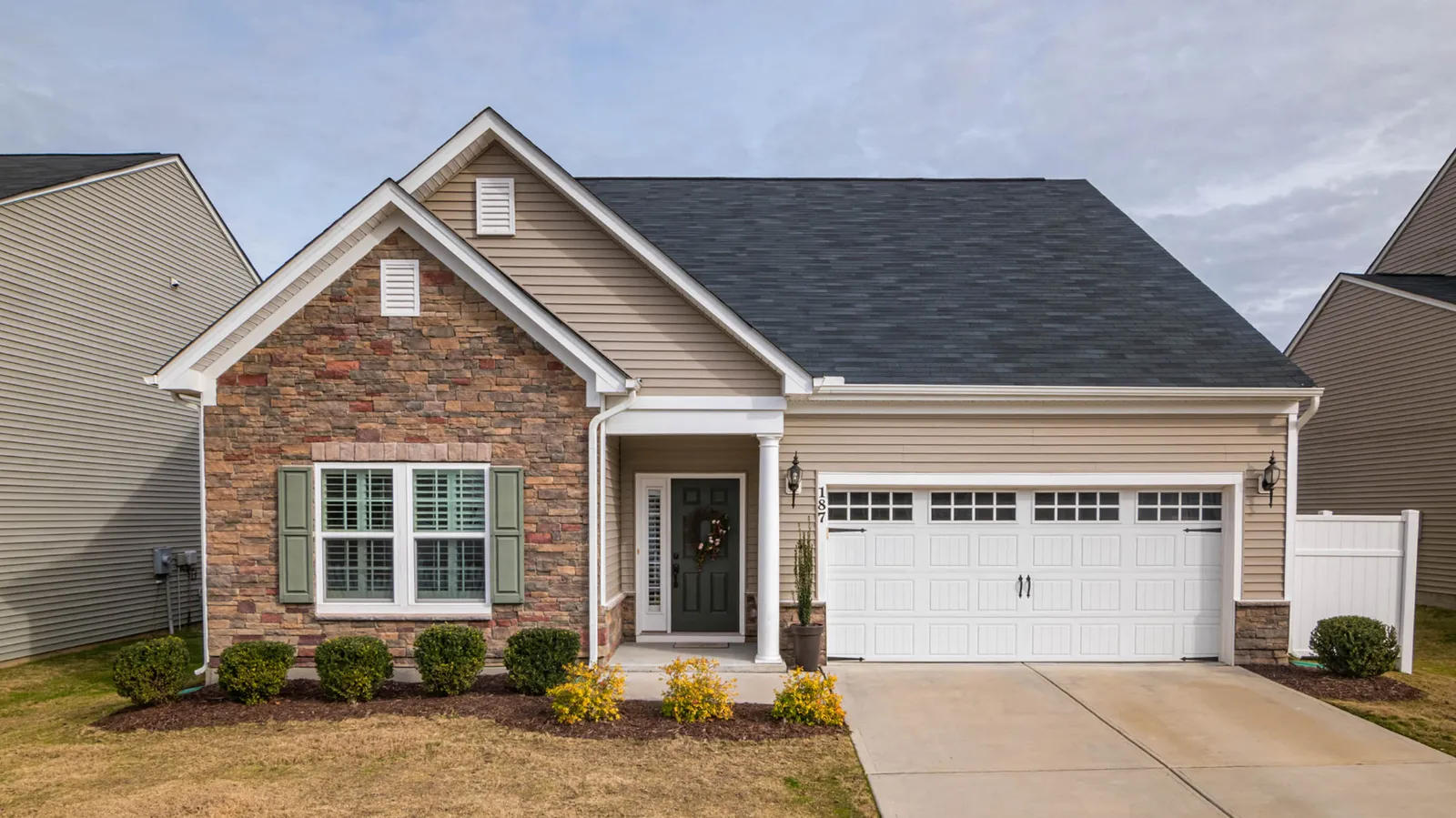
Roofing Warranty in Springdale, AR
Every roof comes with two warranties, but the one you can actually enforce on a Springdale home is the workmanship promise plus the dated install record it stands on. Get both in writing.
- Insurance steps laid out in plain English
- No pressure to commit on the spot
- Workmanship coverage stated in writing
The warranty that actually protects a Springdale roof
A roofing warranty in Springdale, AR comes in two parts that are easy to confuse. The manufacturer stands behind the shingle if it leaves the factory defective; a local roofer stands behind the install, the flashing and nailing and sealing that decide whether the roof leaks.
On a Springdale roof, that workmanship promise is only as good as the record behind it. A roofer who photographs the install as it goes, hands you paper you can hold the warranty against, and the same file backs a later Washington County hail claim. A dated inspection opens it; a storm is where it pays off.
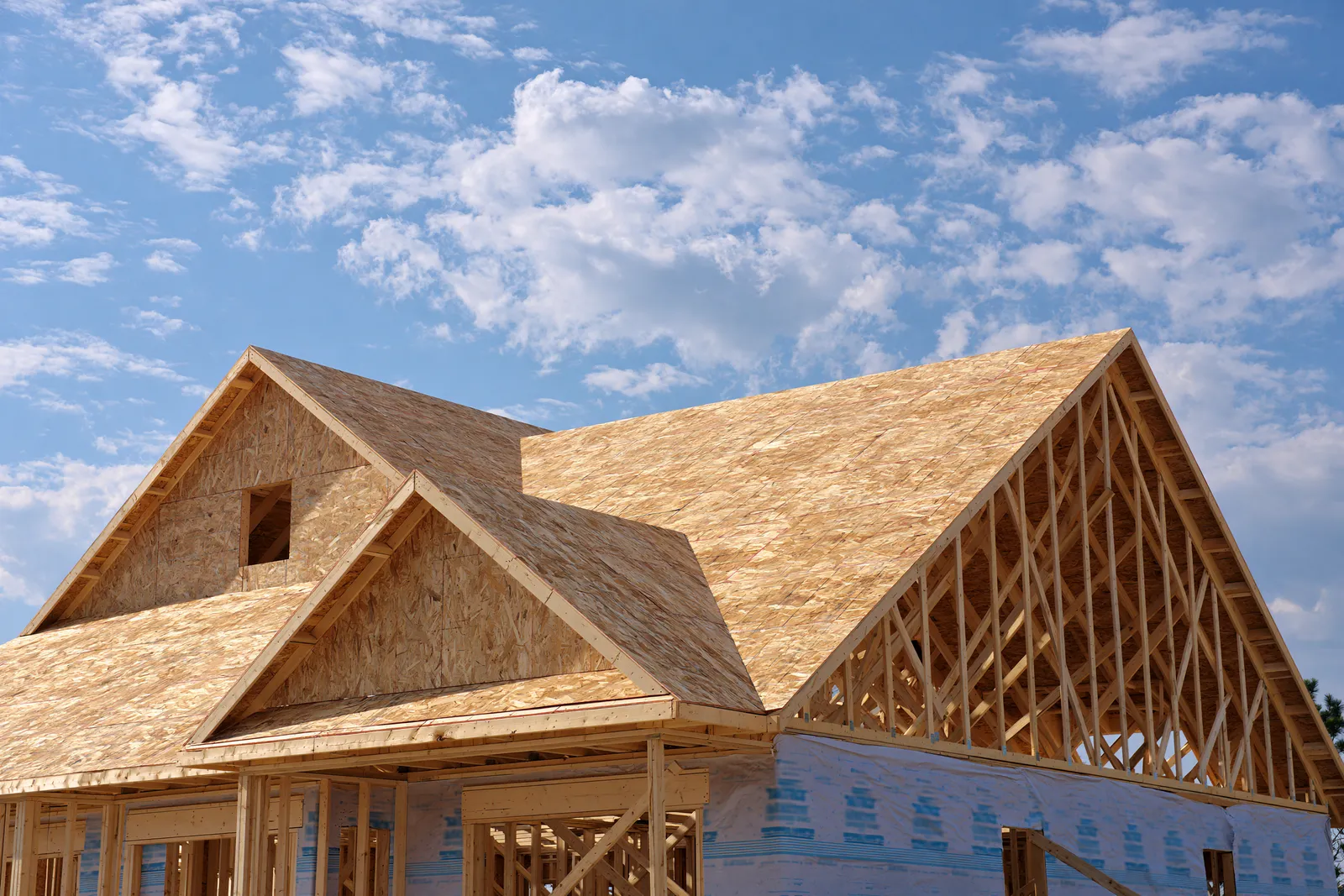
How the two warranties split on a Springdale roof
One promise sits with the shingle maker and one with the roofer, so the table sorts which failure lands on which warranty, and which one a roofer writes for you.
| The problem on the roof | Manufacturer (material) warranty | Workmanship (install) warranty |
|---|---|---|
| A leak at the flashing or a nail line | Not covered; a sound shingle did not cause it | Covered when it traces to the flashing, nails, or seals |
| A cracked or factory-defective shingle | Covered; the maker swaps the faulty shingle | Not its lane; a product defect is not an install fault |
| Who answers when it fails | The company that made the shingle | The roofer in writing, or a manufacturer-certified system |
| How long each one runs | Often limited-lifetime, full early then prorated | A roofer-set term, a few years up, longer under a certified system |
| What sends you to insurance instead | Hail, wind, or storm damage | Storm damage; a hail hit is a documented claim, not a warranty |
Both matter, but the workmanship side carries the weight on most Springdale roofs, because leaks trace to the install far more often than to a bad shingle. A hail hit belongs to neither; it is an insurance claim, which is why the dated install record does double duty.
What a documented workmanship warranty puts in writing
The install steps and the paperwork that decide whether a Springdale roof is really covered, worth seeing spelled out before the first shingle is stripped.
- The workmanship warranty's length, its exclusions, and who to call, in print on the estimate before tear-off rather than promised out loud
- The flashing, nailing, and sealing at the walls, valleys, and pipes, the joints where a rushed install lets water in first
- A dated, plane-by-plane photo record of the install, so the condition of the deck and the new roof is on file from day one
- Proof the attic is vented to spec, because an under-vented attic bakes the shingles from below and can void the manufacturer's coverage
- A full tear-off to the deck rather than a layover, since Arkansas caps a roof at two layers and a third one shortens or voids the material warranty
- Confirmation that the roofer carries the Arkansas Residential Roofer Registration and its $15,000 surety bond, the state backstop you can look up if a promise goes unmet
Want to know a workmanship promise is worth the paper before you sign? A dated inspection puts the roof, the flashing, and the attic on record, so the terms are clear well ahead of any claim. The permit and registration page covers what Arkansas requires.
Warranty questions before a Springdale homeowner signs
The coverage points a Springdale owner raises before signing, answered plainly for a roof that has to stand behind its own paperwork.
Q1Manufacturer or workmanship: which warranty actually protects me?
Q2Why does a photographed install record matter to my warranty?
Q3Is there a right length for a workmanship warranty?
Q4Can a poorly vented attic really cancel my coverage?
Q5My roofer closed. Is my workmanship warranty worthless now?
Q6Will either warranty pay for hail damage?
Get the workmanship terms and the record in writing
Ask Springdale Apex Roofing to put it in writing, and a local roofer inspects the roof, sorts the shingle coverage from the workmanship promise, and opens the dated install file, at no charge.