
Chimney Flashing Repair in Springdale, AR
On a Springdale roof the metal where the roof meets a chimney or wall is where most leaks start. A local roofer re-flashes and re-seals those joints before wind-driven rain opens one up.
- Insurance steps laid out in plain English
- No pressure to commit on the spot
- Workmanship coverage stated in writing
What chimney flashing repair fixes in Springdale
Chimney flashing repair in Springdale, AR goes after the joint that leaks first on almost any roof: the folded metal that seals the roof to a chimney or a sidewall. The shingles may have years left while that seam is already letting water past.
A hard, wind-driven Arkansas rain finds the weak point, pushing up under a flashing leg that has lifted. A local roofer pulls the failed metal, weaves in fresh step and counter flashing, and seals the joint to turn the water away. Caught while it is still one joint, the fix stays a repair rather than a full re-roof.
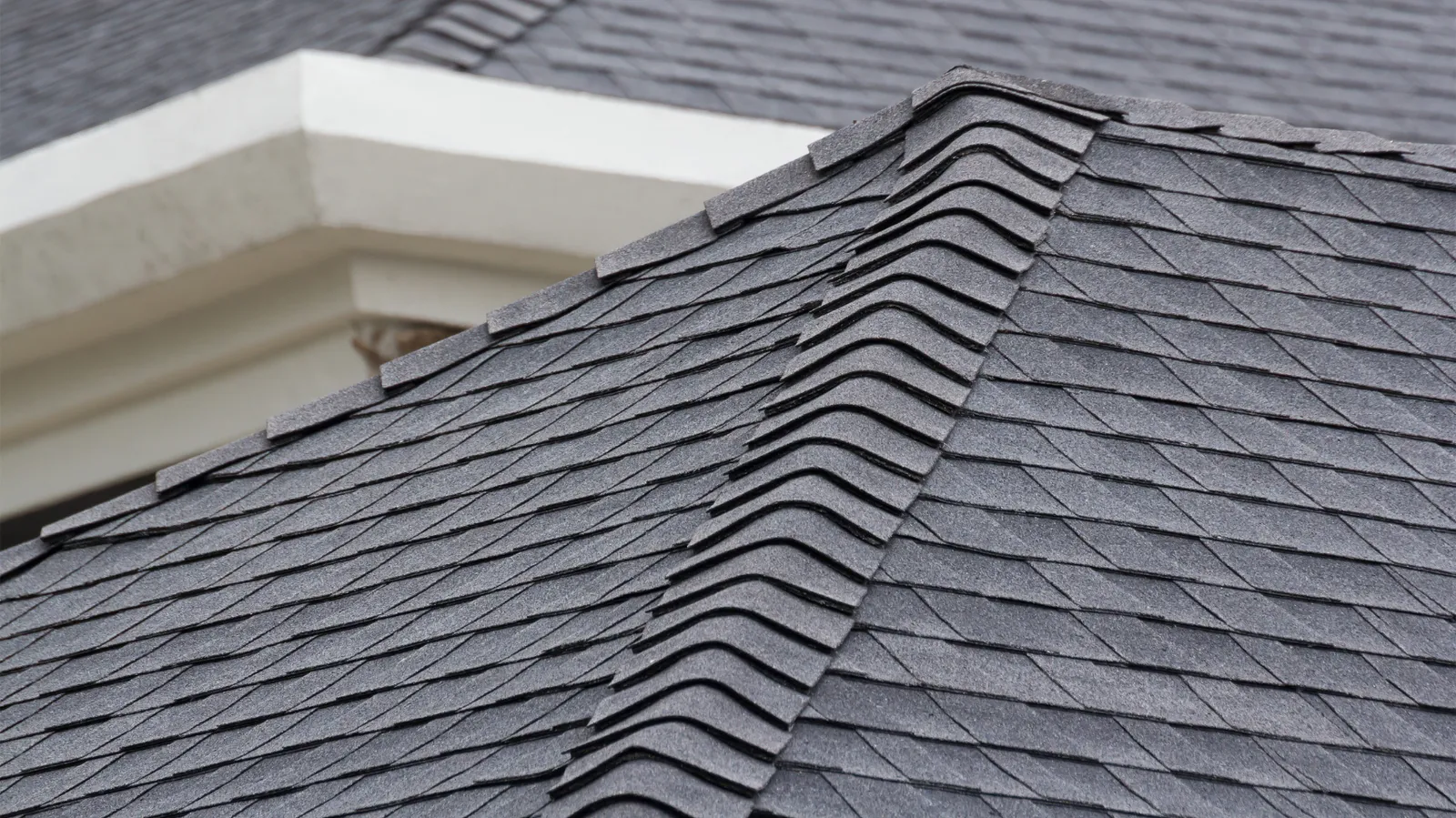
The joints that fail before the shingles
The metal a roofer checks, re-flashes, and seals, one joint at a time.
- 01The two-part flashing around the chimney
- A chimney sheds water through two pieces working together, base flashing tucked under the shingle courses and counter flashing let into a groove in the mortar above. When the mortar dries out and the top piece slips, rain follows the brick straight down into the house, so a roofer resets both pieces rather than running a bead of sealant across the gap.
- 02Step flashing along a wall or dormer
- A roof plane that dies into a sidewall is kept dry by a stack of small bent pieces of metal, one lapped under each course. Any one of them rusting through or backing out is enough to start a leak, so a roofer laces in fresh metal course by course instead of nailing a long strip over the face.
- 03The kick-out most builders leave off
- At the low end of a roof-to-wall line the last piece of flashing has to throw the water sideways into the gutter, and when a builder skips it the runoff pours down inside the wall for years before anyone sees the stain. A roofer adds the kick-out and ties it into the wall flashing above.
- 04Caulk standing in for real flashing
- A smear of caulk over a tired joint looks like a repair and gives out by the next hard storm. A roofer scrapes it off to read what the metal underneath is actually doing, because sealant belongs as a finish on sound flashing and never as the thing holding the water back.
Not sure which joint is leaking? A dated inspection puts the real opening on camera, and the leak-tracing page covers following the water back to its source.
Signs a flashing joint is failing
Any one of these is worth a look before the next storm.
- A coffee-colored ring on the ceiling a foot or two out from where the chimney comes through
- Metal at the chimney or sidewall that looks rusted, bent up at an edge, or buried under old caulk
- Mortar joints on the chimney going soft or crumbling, right where the counter flashing seats
- A stain that only appears after a driving Arkansas rain, never after a slow, steady one
- A soft, punky spot or a paint streak on the wall under a roof-to-wall joint with no kick-out
Catching one of these early keeps it a flashing repair, before the water reaches the decking and turns a seam into a section of roof.
What sets the price of a flashing repair
What a flashing repair costs tracks two things, and neither is the size of the house: what actually let go, and how hard the joint is to reach. Re-sealing one run of step flashing sits at the low end, while rebuilding a chimney's two-part flashing, cutting fresh counter flashing into the mortar, or adding the kick-out a builder skipped climbs from there.
A roofer puts the honest number in writing only after the joint is opened and the real damage is in view, never off a guess from the driveway, and the cost guide lays out full-roof ranges for the day the whole thing, not one seam, is due.
See replacement cost ranges- Re-sealing one run of step flashing is the low-cost end
- Rebuilding the two-part chimney flashing and re-cutting the mortar seat costs more
- Adding a skipped kick-out or wall flashing is its own line
- The written number waits until the joint is open, so it actually holds
The chimney joint on a Springdale roof
What a leaking chimney joint turns into depends on the roof around it. On a younger Springdale roof the metal has usually just lifted at a single point, and re-setting that one joint puts the roof right for years. On an older roof the same drip can mean the flashing was cut light and the deck below has taken on water over a few wet seasons. A local roofer gives you the straight answer on which one you have, in writing and backed by photos, before a price gets named.
- 01Newer roofs, one loose joint
- On a younger Springdale home a chimney leak is nearly always a single lifted flashing leg or a split seal, and sealing that one joint is the whole job.
- 02Older roofs, one real question
- On an older Springdale roof a roofer checks whether the deck around the chimney has gone soft, so a joint fix does not just delay a re-roof already coming due.
Not sure if this is one failed joint or a roof running out of seasons? A roofer settles it in writing, with photos, and the warranty guide covers what a repair does to your existing coverage.
Flashing questions Springdale homeowners raise first
The answers come first, the ladder second.
Q1There is a stain a few feet from the chimney. Is the chimney the problem?
Q2Why does the chimney only leak when the rain is blowing?
Q3Does the flashing have to be replaced, or can it just be sealed?
Q4Could a chimney leak be part of a hail claim?
Q5Is there a warranty on new chimney flashing?
Q6The brick and mortar are crumbling. Is that the roofer's job?
Get the chimney joint sealed for good
A brown mark spreading below the chimney, or flashing you can already see standing up off the roof? Tell Springdale Apex Roofing the address and what it is doing up there, and a local roofer opens the joint, walks you through the photos, and puts one fair flashing repair in writing before the next storm drives it into the ceiling.